
A month after federal agents took more than 400 people into custody in Charlotte, some are fighting back against the government’s stance of mandatory detention.
CHARLOTTE, N.C. — People in this country illegally, caught during “Operation Charlotte’s Web,” have started suing the Department of Homeland Security in hopes a judge will release them while they await a lengthy deportation process.
One of those detainees scored a legal victory just this week. Federal court filings show he and others are arguing the government cannot continue to hold them without a bond hearing, regardless of their immigration status, because of where Border Patrol and ICE agents found them.
“They’re really misapplying the law to people who are apprehended in the interior and they’re saying they’re subject to mandatory detention, which is not correct,” immigration attorney Karen Weinstock told WCNC Charlotte. “We are treating you the same as somebody that we’re catching at the border today and that’s not right, because the law says different.”
Taken into custody in Charlotte, detained in Georgia


ICE and Border Patrol agents took more than 400 people into custody during the Charlotte operation in November and then moved many of them to one of two long-term detention centers in Georgia.
For most, that state is where their legal battles are taking place.
“A lot of people are not aware that they have rights,” Weinstock, who practices immigration law in Georgia, said. “Unfortunately, unless you sue them in federal court, you’re not going to get relief.”
Weinstock said she’s talked with several dozen people from Charlotte detained by DHS.
“They pressure people to sign voluntary deportations,” she said. “They detain people unlawfully. They’re basically saying that they’re applicants for admission even though they were apprehended inside of the United States many, many years after they have arrived.”
Weinstock has spent the last several months challenging the government in court. She and many other attorneys are filing what are called writs of habeas corpus on detainees’ behalf. The legal action asks a judge to make DHS bring a detainee before them to justify their continued detention.
“In the last four or five months, I’ve filed more writs of habeas than my entire career combined.” Weinstock said. “I have not lost a case yet and I’ve had dozens of these.”
Multiple “Operation Charlotte’s Web” lawsuits filed

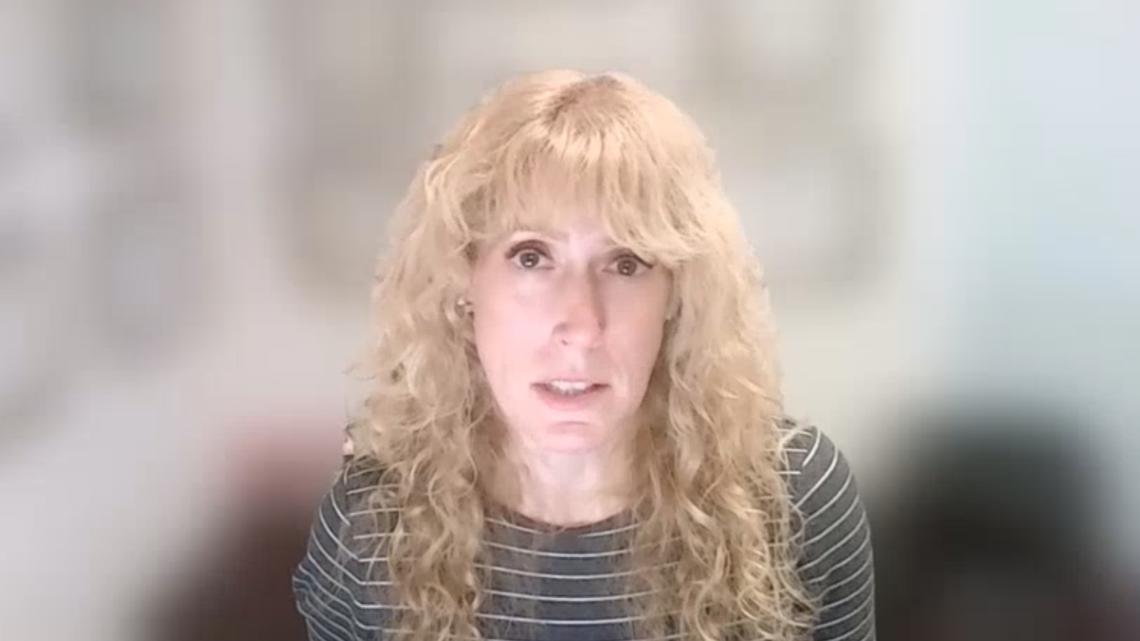
Despite limited public information about those detained, WCNC Charlotte identified several cases that originated in Charlotte.
In one case, a native Egyptian said ICE detained him in Charlotte on November 21 “without warning and without any possibility of a bond hearing.” In addition, his court filing shows ICE previously released him under its Alternatives to Detention-Intensive Supervision Appearance Program after he fled Egypt “due to persecution and entered the United States without inspection.” Records show he applied for asylum on November 21, 2024 and is scheduled for his first hearing on March 18, 2027.
On Wednesday, a federal judge ruled the man must receive a bond hearing before an immigration judge within 48 hours.
“In sum, because Petitioner has shown that he is likely to succeed on the merits of his claim that his mandatory detention is unlawful under the (Immigration and Nationality Act) and/or violates his procedural due process rights, the Court grants his motion for preliminary injunctive relief,” the federal judge said in his December 17 ruling.
In another case, agents took a man into custody who entered the country about 20 months ago.
“He has work authorization and deferred action (a promise not to try to remove him from the US),” his attorney Brad Banias told WCNC Charlotte. “He works with a landscaping company. He and a crew were eating lunch in their trucks in a Publix parking lot, and ICE approached them and arrested them.”
Weinstock said she’s representing a man from Cary, who agents arrested during a car stop in Charlotte.
“He’s in the country since 2006,” she said. “Has U.S. citizen children.”
Carolina Migrant Network helping organize legal support

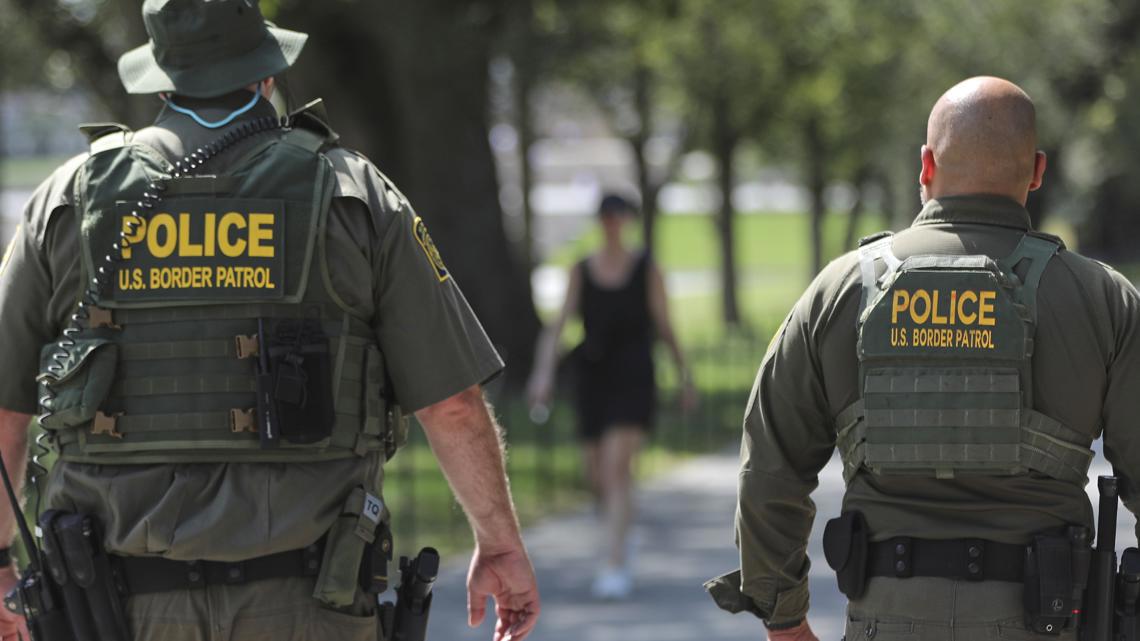
Weinstock told WCNC Charlotte the vast majority of her clients do not have criminal histories. DHS has said its operation in Charlotte was meant to target “the worst of the worst.” None of the detainees WCNC Charlotte identified as having filed writs of habeas corpus are listed in DHS’ “worst of the worst” database.
The Carolina Migrant Network continues to coordinate legal help for families of those impacted by “Operation Charlotte’s Web.”
“We are trying to connect individuals detained during that operation with attorneys willing to take the case pro or low bono,” co-founder Becca O’Neill told WCNC Charlotte. “We are still working on pairing cases with attorneys….most (if not all) of these cases will require a habeas petition in advance of a bond motion.”
While WCNC Charlotte cannot identify the total number of writs of habeas corpus filed by people living in Charlotte, immigrations attorneys said there are many more than the handful WCNC Charlotte identified.
“When it comes to quantifying the number of challenges to noncitizen detention out of Charlotte, I can only tell you the U.S. Attorney’s office tells me they are overwhelmed and trying to simply manage all of the cases they have,” Banias told WCNC Charlotte.
Newlyweds separated, husband held without bond

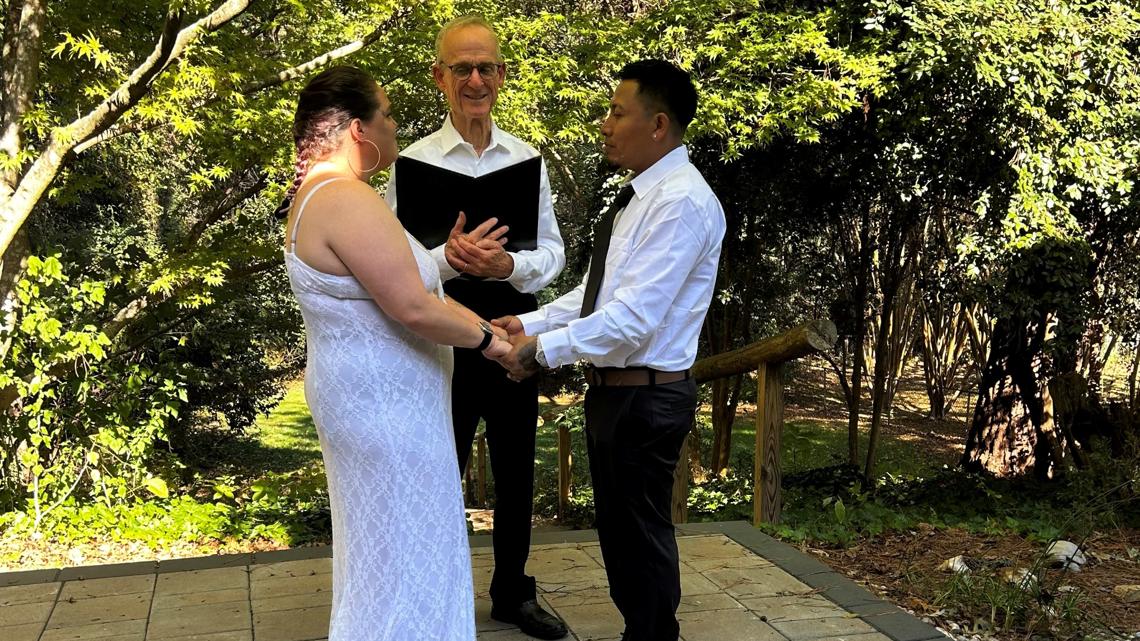
Brittney Harris Gonzalez is now considering legal action in light of her husband’s ongoing detention in Georgia. She said, less than a month after their wedding, on the fourth day of “Operation Charlotte’s Web,” Denis Gonzalez-Diaz went to the Charlotte DHS office for what she thought would be a routine visit.
According to the newlywed, it was his third appointment with ICE to verify the Nicaraguan’s address and that he’s not a threat; part of his plan to eventually secure the government’s approval to be here. He came to this country in 2023 to work, so he could send money back home to his kids, his wife said.
“He went into the building and they didn’t let him come back out,” she told WCNC Charlotte.
Less than 24 hours later, she said her husband was already at a detention center in Georgia. To this day, she said the government has not offered him a bond hearing while he awaits his initial deportation court appearance in November 2026.
“It’s not fair and it’s not right,” she said.
Homeland Security responds

Despite the growing legal fight, DHS Assistant Secretary Tricia McLaughlin has repeatedly defended the government’s stance on mandatory detention. Through a spokesperson, she told WCNC Charlotte, unlike the prior administration, President Trump and Secretary (Kristi) Noem are enforcing the law “as it was actually written to keep America safe.”
“Regarding decisions from federal courts about mandatory detention, judicial activists…have been repeatedly overruled by the Supreme Court on these questions. ICE has the law and the facts on its side, and it adheres to all court decisions until it ultimately gets them shot down by the highest court in the land,” she said. “Politicians and activists can cry wolf all they want, but it won’t deter this administration from keeping these criminals and lawbreakers off American streets—and now thanks to the Big Beautiful Bill, we will have plenty of bed space to do so.”


