
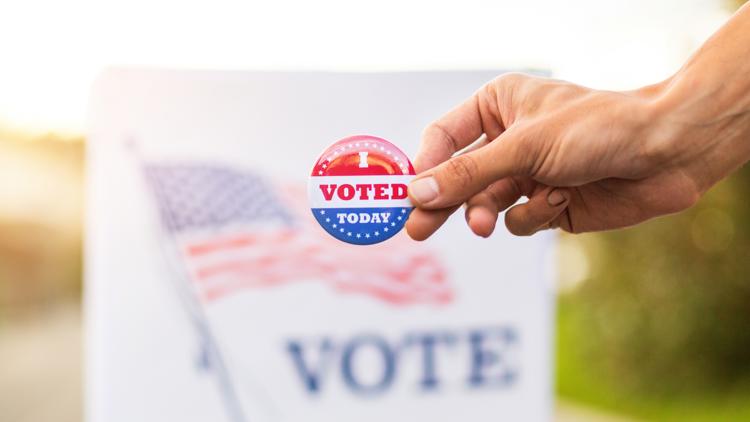
CHARLOTTE, N.C. — When you head to the polls in North Carolina, you’re taking part in a system that’s been evolving for more than a century.
Back in the early 1900s, party leaders — not voters — often picked their candidates behind closed doors. In 1901, North Carolina moved toward primary elections, giving voters more say in who would represent their party.
For decades, the state used a “second primary” — or runoff — if no candidate won 50 percent of the vote. That system lasted until 1989, when lawmakers lowered the threshold, making runoffs less common.
From party insiders to public voters, the process has shifted — all aimed at putting more power in the hands of the people.
About the Author


