‘Its (Reform’s) initial dramatic rise in the number of people saying they would vote for the party in a general election peaked at an average of 32 per cent last September. Since then, its standing has declined… By the beginning of last month it was down to 27 per cent,’ the survey noted.
Reform’s problems are part of a larger crisis brewing on the right. The movement has begun to fracture, with what was once a largely homogeneous force splitting into competing and increasingly cannibalising groups. This happens to successful political tendencies eventually, but rarely this early in their evolution.
Reform itself has split, with one of its erstwhile leading lights, MP Rupert Lowe, leaving to form Restore Britain, which positions itself further to the right of Reform and is snapping at its heels as it eats into its support.
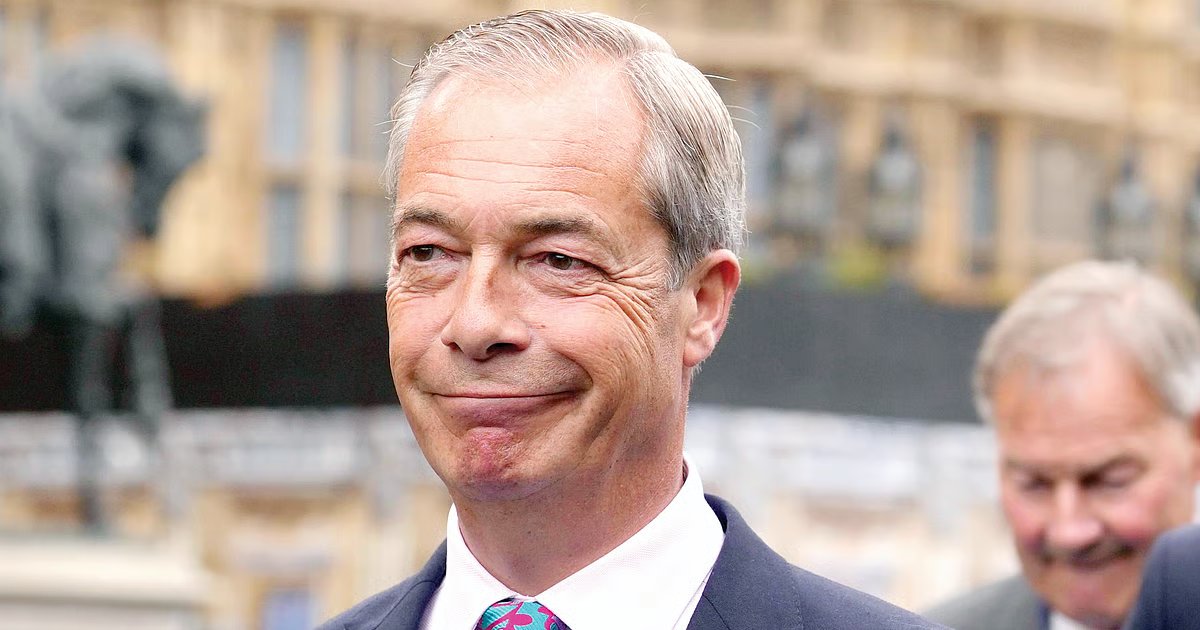
Both Reform and Restore Britain are essentially one-man bands, heavily reliant on the clout, charisma and financial resources of their respective leaders. Until now, Reform was better placed because Farage is undoubtedly a more compelling political figure than Lowe. But if — as looks likely — his troubles linger for too long, the party could be in serious trouble, particularly if he is formally censured by the Parliamentary Commissioner for Standards over his financial affairs.
Individual parties apart, the right as a whole is facing an existential crisis because of its limited and overlapping agenda, focused almost solely on immigration — an issue also being pursued with considerable vigour by the two mainstream parties, Labour and the Conservatives.
Indeed, the latest figures suggest that the government’s approach is working, with net migration now at its lowest level in years. This has left the right with few other credible policies to sell to its supporters. In sheer desperation, its leaders have therefore started talking about restricting welfare benefits, social housing and free health services to British nationals, while the rhetoric of ‘British jobs for Brits’ has grown louder.
Gordon Brown, the former Labour prime minister, tried a similar tactic to shore up his sinking leadership, but it did not work. Labour lost the next election. There is little reason to believe it will work now.
To cut a long story short, for all the media hype, the British right appears to have exhausted much of its potential and its appeal has plateaued. In a sense, it has become a victim of its own success — and will need to reinvent itself, as French and Italian right-wing parties have done, by diluting some of their hardline policies and softening their rhetoric to broaden their appeal.
The alternative does not bode well. Remember the British National Party (BNP) and English Defence League (EDL), headline far-right acts not too long ago? Both are now defunct, having splintered into smaller groups and faded from public view.
Reform and Restore Britain could be headed the same way if they do not change course — and quickly.
Hasan Suroor is an independent commentator. More by him here
About the Author


