
The conflict in the Middle East could impact your access to food.
CHARLOTTE, N.C. — The war on Iran is leaving people here in the Carolinas asking where’s the money, especially when it comes to their grocery bill.
That’s because experts say it’s disrupting fertilizer supplies, a key source farmers rely on to grow their crops.
The conflict in the Middle East could impact your access to food.
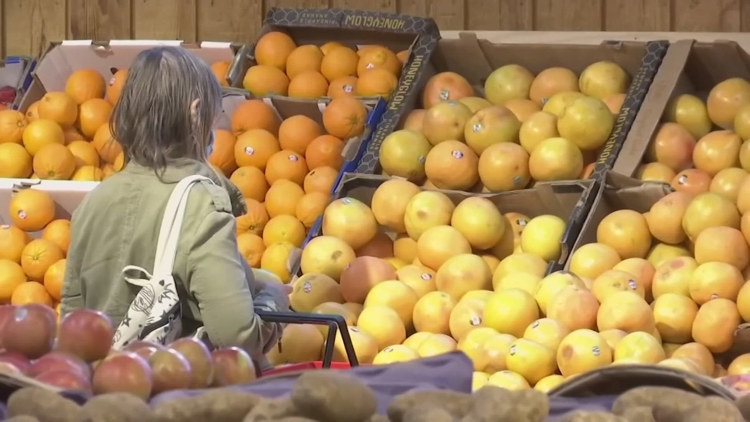
Everyone WCNC spoke to about the price of groceries says they’re stretching their budgets just to keep food on the table.
“Enormously, groceries have gone up for me about 40-percent,” local Julie Hill said.
“I try to shop on sales basically, anything I see in the store on sale, I try to get it on sale, but other than that, it’s just too high,” Nyocha McCord said.
The closure of the Strait of Hormuz impacts the supply of fertilizer that farmers rely on. That means they may have to increase their prices.
“It’s just ridiculous, it shouldn’t be happening and the ripple effect is going to stay there for a while,” Hill said.
According to The Fertilizer Institute, more than 30% of world’s nitrogen fertilizer exports, along with fertilizer components, pass through the Strait of Hormuz, a key shipping route now closed due to the war.
“It’s stressful, trust me, it’s stressful,” McCord said.
Shoppers said they fear they may not get relief anytime soon.
“Everything is high — meat is high, food is high, drinks is high, everything — this case of soda 10 dollars, it’s just too high for no reason,” McCord said.
Some shoppers say rising costs could leave them with tough decisions, like whether to put food on the table, or pay the mortgage.
“Rent is already high, high, like literally,” said McCord.
For the latest breaking news, weather and traffic alerts that impact you from WCNC Charlotte, download the WCNC Charlotte mobile app and enable push notifications.


