
The deadliest air disaster since 2001 sparked some changes, but families of those killed question why further safety policies remain stuck in Congress.
CHARLOTTE, N.C. — Twelve months since Debra Epstein got the worst news of her life, time has marched on, new memories have been made, but every moment of that phone call still haunts her.
“I actually still have the voicemail on my phone because I can’t erase it,” Epstein said. “I just remember screaming, ‘No. No. No.’
“All I could think about was having to call the kids and wake them up in the middle of the night and tell them that their father was on the plane, and we don’t know if he’s OK or not,” Epstein recalled.
In the hours after the Jan. 29, 2025 collision between American Airlines Flight 5342 — just moments away from landing — and a Black Hawk helicopter on a military training flight — Epstein learned her ex-husband Ian Epstein, one of four Charlotte-based crew members on board the commercial flight, did not survive. None of the 67 people on board the two aircraft did.

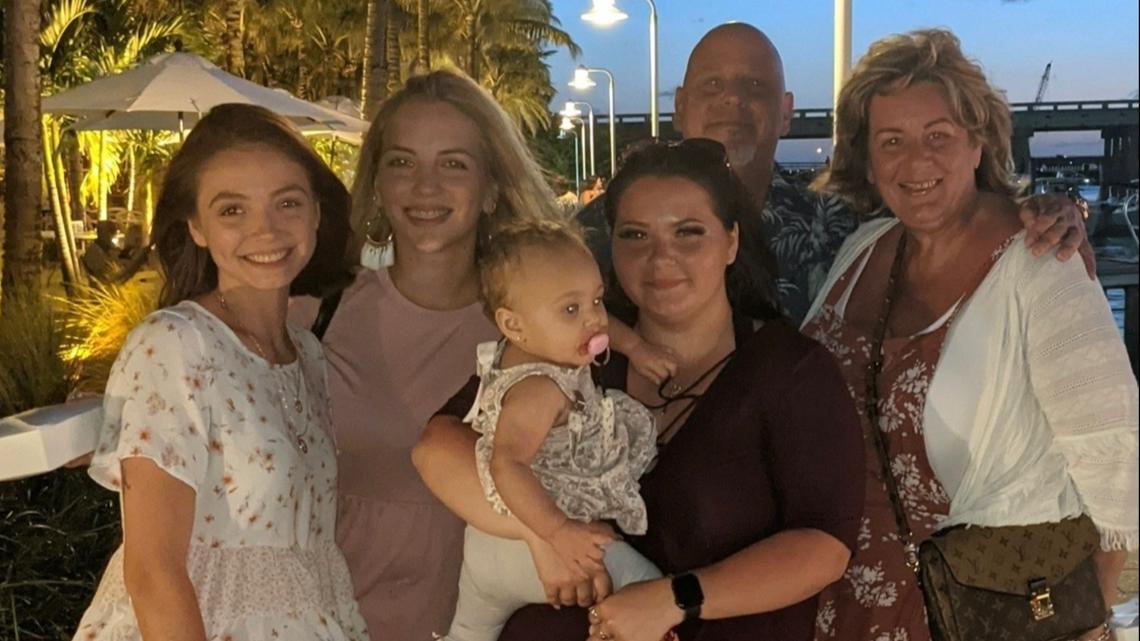
“Immediately I was like, ‘This should not happen,’” Epstein said.
Federal aviation safety officials have essentially said the same. In July of 2025, amid a fight against a provision in the National Defense Authorization Act that opponents said would roll back post-collision safety improvements, NTSB chair Jennifer Homendy characterized the crash as “a tragedy that was entirely preventable.”
The agency also released data showing thousands of close-call events in recent years between airplanes and helicopters near Ronald Reagan National Airport, where the collision happened.
Tuesday, when the NTSB held its final board meeting on the incident to approve findings in the investigation and recommendations to improve safety going forward, the agency indicated a multi-layered and systemic issue.
“This complex and comprehensive one-year investigation identified serious and long-standing safety gaps in the airspace over our nation’s capital,” Homendy said. “Sadly, the conditions for this tragedy were in place long before the night of Jan. 29.”

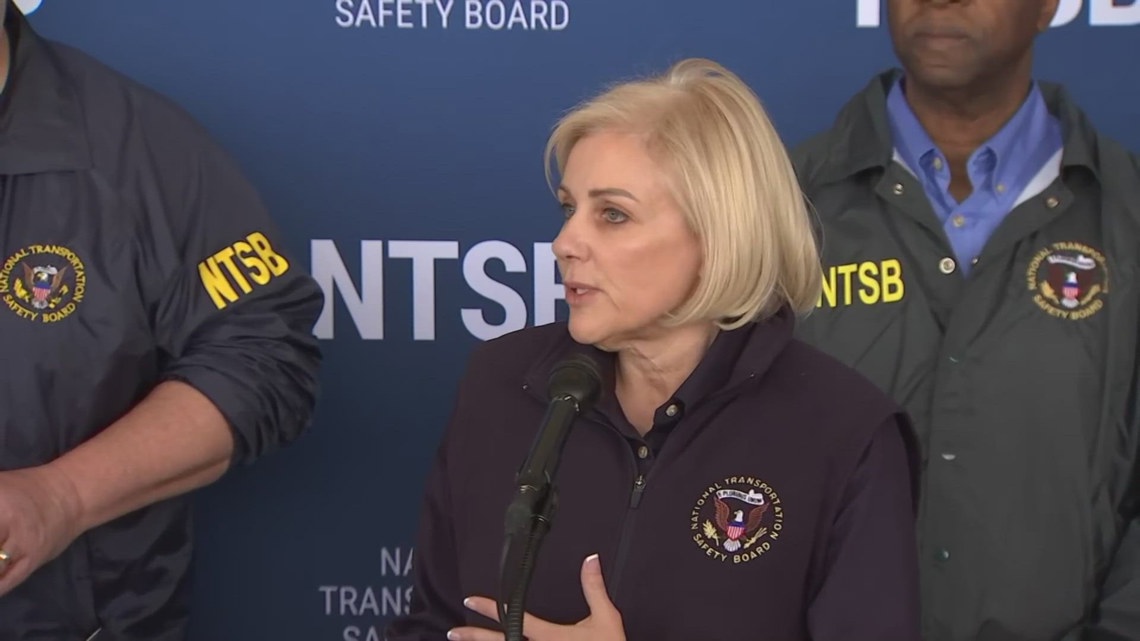
The NTSB investigation found several concerns:
-
The FAA’s helicopter route in D.C. did not allow for appropriate separation between helicopters and fixed-wing aircraft
-
FAA guidance regarding helicopter route altitudes and boundaries. Inconsistent and unclear information
-
FAA did not conduct sufficient safety analysis, although data showed repeated close encounters between helicopters and airplanes near the airport
-
The Army did not program to monitor flight data for helicopters operating near major airports
-
Neither aircraft had collision avoidance technology capable of providing effective alerts in low altitude
-
High workload reduced air traffic control’s monitoring abilities

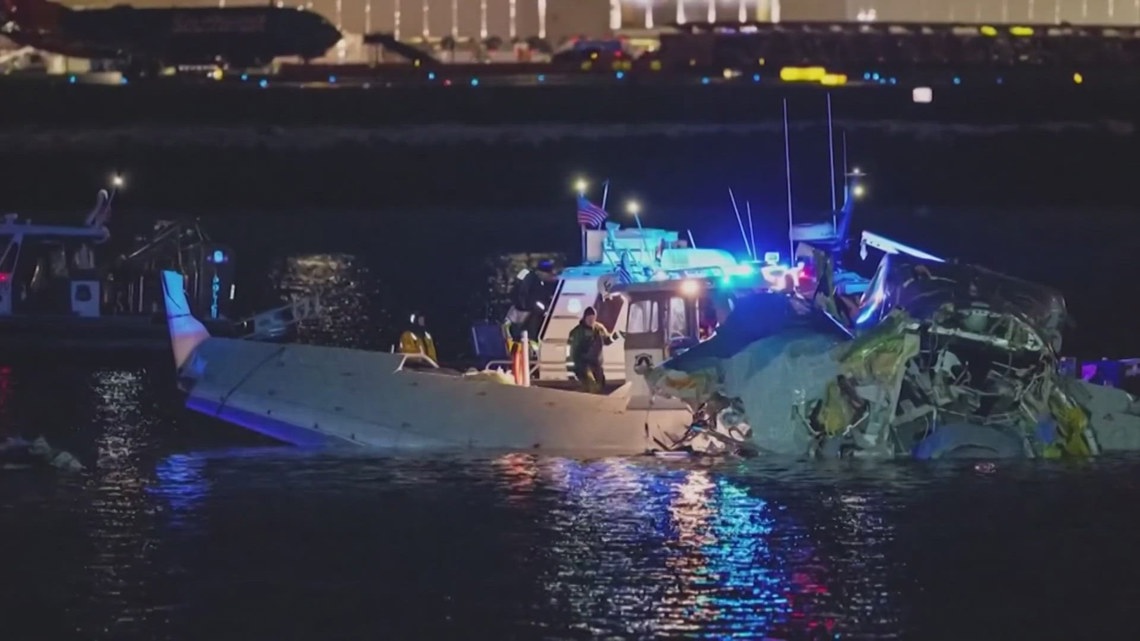
In its immediate wake, the crash prompted temporary restrictions on non-essential helicopter traffic in certain areas around Reagan, and six days before the one-year anniversary of the crash, the Federal Aviation Administration announced the rule would be permanent.
However, Epstein and other advocates, including other families of people on board Flight 5342, have been calling for more sweeping changes.
“We’re hearing about DCA because of this tragedy,” Epstein said. “What about the rest of the places around the country that are in congested air spaces? DCA is not the only space.
“I don’t understand why we have to be reactionary. As a country, we have to wait for a big tragedy to occur to actually make changes.”
One of the ongoing safety pushes is for a bipartisan ROTOR Act, which would require all aircraft to transmit locations to other pilots and air traffic control, something the Black Hawk was not doing the night of the crash.
The bill would also trigger a review of airspace safety at airports nationwide.
The legislation passed the U.S. Senate and has been sitting in the House with no movement since December, but advocates continue to publicly call for its passage.
“I just find there’s lack of accountability,” Epstein said. “They all came out and said it never should have happened, that everything should have been caught, but then we’re waiting for acts to go through, and they’re sitting there.”
“What is it going to take?” she continued. “Does it take somebody else losing their family?”
North Carolina Sen. Ted Budd is among the original co-sponsors of the ROTOR Act and said he remains part of the push to get it across the finish line.
“One year ago, we lost 67 lives in a mid-air collision near DCA, six of whom called North Carolina home, including all four members of a Charlotte-based flight crew and one helicopter pilot,” Budd said, in a statement to WCNC Charlotte. “As a member of the Senate Commerce Committee and an aviator myself, I understand the important changes the ROTOR Act makes to protect Americans in the sky. I have maintained strong relationships with my colleagues in the House and will continue to engage with them to help get this critical safety bill across the finish line.”
Meantime, Ian and Debra’s daughters, Kayla Morgan and Hannah Rowley, say they now live with the consequences of what was done and what was not done.
“People that are in positions of power or in positions of ensuring the safety of others … that needs to be taken seriously,” Morgan said. “This has had a very catastrophic impact, not only on all of the people that lost their lives, but now all of the family members that can’t even get a grasp on what reality is in the wake of this.”

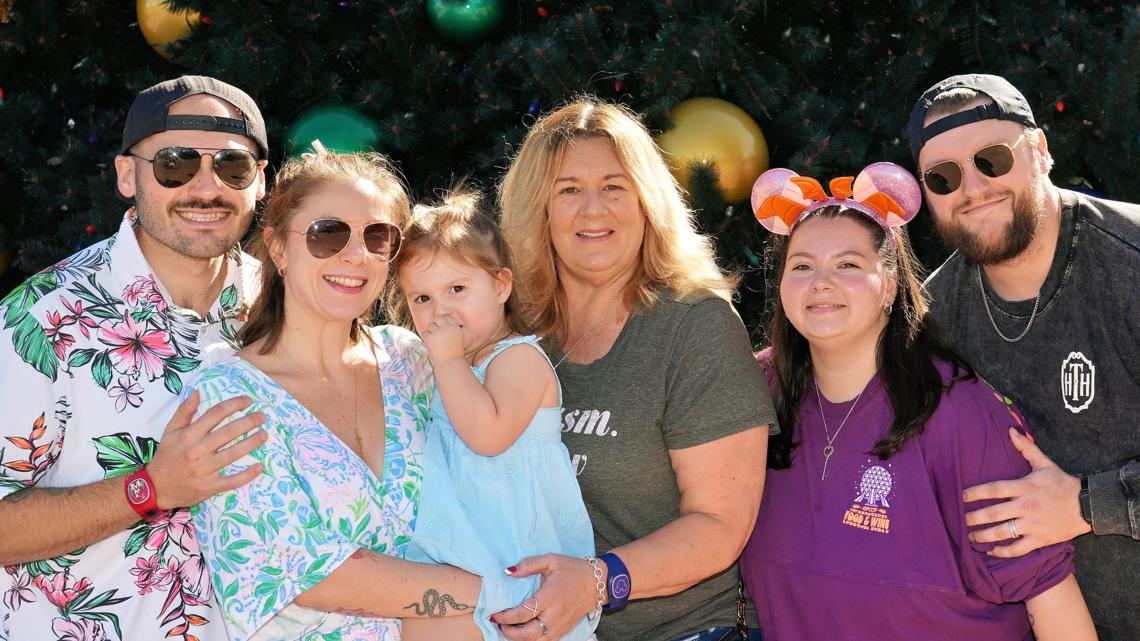
Instead of making new memories with their father, the young women are relying on past ones and finding ways to honor the joy their father radiated in their lives.
“I think about all of the things that I’m going to do and experience, and my dad won’t be there for them,” Rowley said. “I think he looked at life from a lens that not a lot of people look at it from. He was so empathetic to people and he really could feel the emotion when other people told them their stories.”
Over the past year, the family took a trip to Ian’s favorite place, Disney World, on what would have been his birthday. Hannah also got married, an event the family said was particularly hard to see Ian miss.
“We did have a chair for him,” Epstein said. “It had one of his favorite jackets on it. We did have his flight attendant pins on there.”
“We had funny pictures of him throughout the reception on the tables, some inappropriate, but that’s just who he was. He was a jokester,” she continued. “Hannah … PSA had given her a really beautiful picture of Ian that was able to go around her bouquet, so he actually did get to walk her down the aisle.”
Epstein said the family also tries to connect with flight crews whenever they fly, giving them a little gift in Ian’s memory.

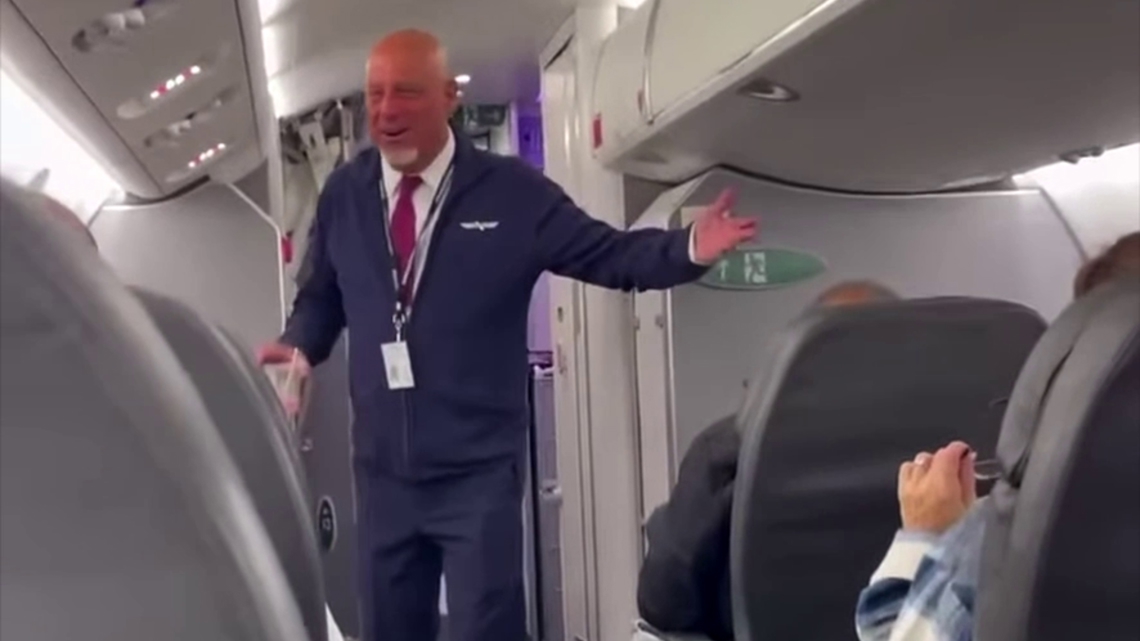
“A lot of people forget the crew and that they’re there for a lot of reasons and safety is a big part of it,” Epstein said. “So, we like to give out a gift card, and it has his name on it and ‘Smile often’ because that’s the message he used to tell everybody. If everybody was just a little kinder to everybody else, the world would be a better place. So, smile as much as you can.”
The sisters also communicate with their dad, feeling a connection with him in surprising ways.
“I tell him I miss him a lot,” Rowley said. “I text him at his phone number. I feel really bad for the person who now has his phone number because it’s been transferred over to another person’s phone. No idea who they are. If they ever see this, you’re the sweetest human ever because you just let me literally write anything and you don’t reply back.”
While those messages go unanswered, the family said they hope their calls for change do not.
“We have to share those experiences together because if we don’t, then we’re standing by every tragedy looking at it from a distance and nothing’s ever going to change,” Rowley said.
Contact Vanessa Ruffes at vruffes@wcnc.com and follow her on Facebook, X and Instagram.


