
Both North and South Carolina currently have bans implemented, as do 25 other states.
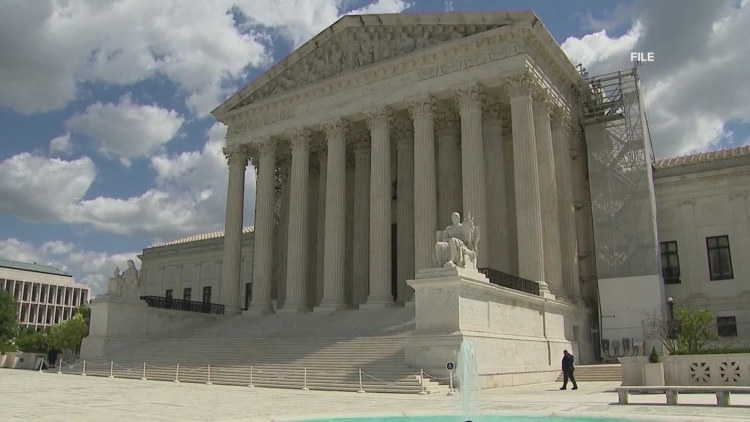
CHARLOTTE, N.C. — The United States Supreme Court is expected to start announcing major decisions on Tuesday, with one of the most significant cases on its docket addressing whether states can ban transgender girls from competing in girls’ sports.
Both North and South Carolina currently have bans implemented, as do 25 other states. The Supreme Court appears likely to rule that these bans are constitutional and can continue, though not without pushback.
Dr. Holly Savoy, a psychologist working with many LGBTQ+ patients and executive director of Charlotte Trans Health, said the issue goes deeper than athletics.
“Certainly, having a decision like this at the level of the Supreme Court takes a toll on people’s mental health. Just having the conversation and opening it up, because what we’re really talking about is who it’s okay to be in this world and belonging,” Dr. Savoy said. “It’s about who belongs, who’s allowed to play, who’s allowed to participate in different activities.”
During arguments last week, Idaho state leaders defended such laws, citing athletic advantages that could lead to injuries.
“Tragically, but not surprisingly, male athletes have even injured female athletes in many sports,” Idaho Solicitor General Adam Hurst said during last Tuesday’s oral arguments. “Gender identity does not matter in sports, and that’s why Idaho’s law does not classify on the basis of gender identity.”
Turner clarified that the same policy does not apply to boys’ teams.
Dr. Savoy said her organization has seen a huge increase in need, especially with their PATH program, which helps make transgender healthcare more accessible to underinsured people.
“Just in the last year, we doubled the amount of services that we were doing and folks that we were seeing because of the need being so high,” she said.
She encouraged people to reach out for services: “It’s knowing that at the other end of that phone or that email is going to be someone who does care and who does get it.”
The majority of the justices appeared to side with allowing the bans during oral arguments. The real question now is the scope of the ruling.
The court will start releasing opinions on a wide range of cases on Tuesday, but the court does not announce what cases will be decided in advance. It’s likely this one will take longer.
Contact Julie Kay at juliekay@wcnc.com and follow her on Facebook, X and Instagram.


