
India’s healthcare system is one of the largest and most diverse in the world, serving over a billion people through a vast network of government hospitals, private hospitals, specialty clinics, teaching institutions, and super-specialty medical centers. While healthcare facilities are spread across the country, certain cities stand out as major healthcare hubs due to population size, economic development, medical education infrastructure, and the presence of advanced private healthcare chains.
Rather than a single city dominating the landscape, India has multiple healthcare capitals, each serving its region and often attracting patients from other states and even abroad. Below is a detailed look at the Indian cities with the highest concentration of hospitals, and why they lead the country in healthcare infrastructure.
1. Delhi – India’s Largest Concentration of Hospitals
Delhi consistently ranks at the top when it comes to the number of hospitals and medical institutions. As the national capital, Delhi benefits from heavy government investment, top-tier medical colleges, and a dense network of public and private healthcare facilities.
Why Delhi Leads:
- Numerous central government hospitals
- Large number of private multi-specialty hospitals
- Major medical research and teaching institutions
- Serves patients from North India and neighboring states
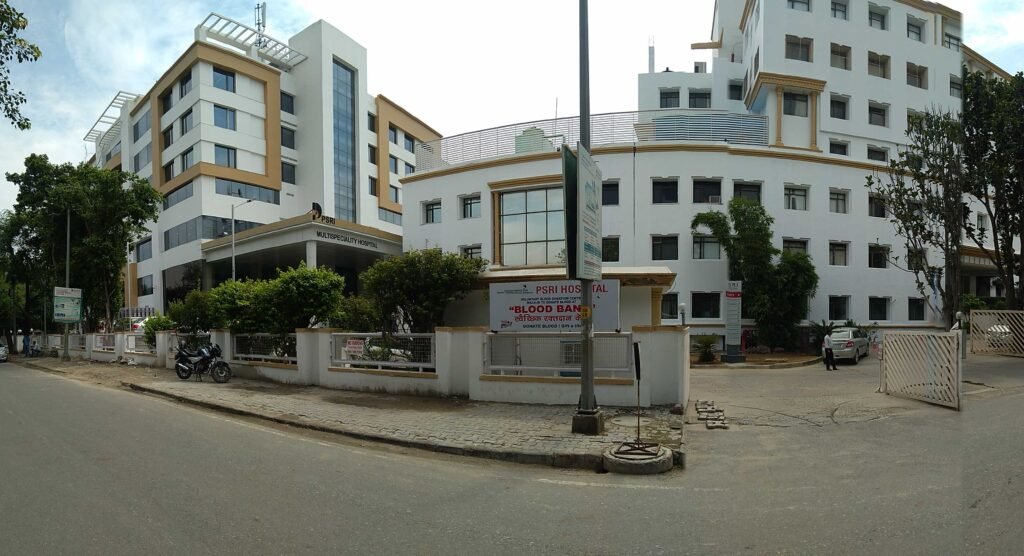
Delhi is home to some of India’s most prominent hospitals, including AIIMS, Safdarjung Hospital, Sir Ganga Ram Hospital, Fortis, Max Healthcare, and Apollo. The city has hundreds of hospitals and thousands of clinics, making it the largest healthcare cluster in India.
2. Mumbai – Financial Capital with Extensive Healthcare Network
Mumbai, India’s financial capital, has one of the densest hospital networks in the country. The city’s massive population and economic power have led to the growth of both public hospitals and premium private healthcare institutions.
Key Strengths:
- Large municipal hospitals serving millions
- High number of private and specialty hospitals
- Strong presence of cancer, cardiac, and transplant centers
- Major hub for medical tourism
Hospitals like Tata Memorial, KEM Hospital, Lilavati, Kokilaben Dhirubhai Ambani Hospital, and Hinduja Hospital make Mumbai a leader in advanced treatments. Despite space constraints, Mumbai continues to expand its healthcare infrastructure vertically and technologically.
3. Chennai – The Healthcare Capital of India
Chennai is often called the “Healthcare Capital of India” due to its exceptionally high number of hospitals relative to population and its reputation for affordable, high-quality care.
What Makes Chennai Unique:
- Very high hospital density
- Strong focus on private healthcare
- Leading destination for medical tourism
- Advanced tertiary and quaternary care facilities
The city hosts hundreds of hospitals ranging from small nursing homes to global healthcare brands such as Apollo Hospitals (which started here), Fortis, MIOT, and SRM Medical College Hospital. Patients from across India, South Asia, Africa, and the Middle East travel to Chennai for treatment.
4. Bengaluru – Rapidly Growing Medical Hub
Bengaluru’s growth as a technology and innovation center has also driven rapid expansion in healthcare services. Today, it ranks among the Indian cities with the highest number of hospitals, especially private and specialty facilities.
Reasons for Growth:
- Large urban and migrant population
- Strong private healthcare investment
- Presence of medical research and biotech institutions
- Rising demand for advanced diagnostics and specialty care
Bengaluru is known for hospitals like Narayana Health, Manipal Hospitals, Fortis, Aster, and Apollo. The city also has a growing ecosystem of specialty clinics and wellness centers.
5. Hyderabad – A Major Healthcare and Pharma Hub
Hyderabad has emerged as a major healthcare destination in the last two decades. Along with being a pharmaceutical and biotech hub, the city has developed a robust hospital ecosystem.
Key Highlights:
- Strong presence of corporate hospital chains
- Affordable healthcare attracting interstate patients
- Advanced surgical and transplant facilities
- Growing medical education sector
Hospitals such as Yashoda, CARE, Apollo, Continental, and AIG Hospitals contribute to Hyderabad’s reputation as a city with a large and rapidly expanding number of hospitals.
6. Kolkata – Eastern India’s Medical Backbone
Kolkata serves as the primary healthcare center for Eastern and Northeastern India. The city has a large number of government hospitals, along with a growing private healthcare sector.
Strengths of Kolkata:
- Long-established medical colleges
- Major public hospitals serving large populations
- Increasing number of private multi-specialty hospitals
- Affordable treatment costs
Institutions like IPGMER (SSKM), Medical College Kolkata, AMRI Hospitals, and Apollo Gleneagles ensure Kolkata remains a major healthcare hub.

7. Pune – Expanding Healthcare Infrastructure
Pune has seen rapid growth in healthcare infrastructure due to urban expansion, IT industry growth, and rising population. It now ranks among cities with a high number of hospitals and specialty centers.
Pune’s Healthcare Appeal:
- Mix of government and private hospitals
- Strong presence of multi-specialty care
- Growing medical tourism within Maharashtra
- Proximity to Mumbai enhances referrals
Hospitals such as Ruby Hall Clinic, Deenanath Mangeshkar Hospital, and Sahyadri Hospitals form the backbone of Pune’s healthcare system.
8. Ahmedabad – Western India’s Medical Stronghold
Ahmedabad is one of the fastest-growing healthcare hubs in western India. The city combines large public hospitals with an expanding private sector.
Why Ahmedabad Stands Out:
- Major government hospitals and medical colleges
- Cost-effective private healthcare
- Strong cardiac and surgical care reputation
- Increasing international patient inflow
Hospitals like Civil Hospital Ahmedabad, Zydus Hospitals, Shalby Hospitals, and Apollo Hospitals play a major role in making Ahmedabad a city with a high hospital count.
9. Kochi – High Hospital Density for Its Size
Though smaller than metros like Delhi or Mumbai, Kochi deserves special mention due to its very high hospital density relative to population.
Key Factors:
- Strong private healthcare ecosystem
- High health awareness among residents
- Leading center for organ transplants and cardiac care
- International patient inflow
Hospitals like Amrita Institute of Medical Sciences and Aster Medcity have made Kochi a major healthcare destination in South India.
Conclusion: No Single Winner, But Multiple Healthcare Capitals
India does not have just one city with the most hospitals—it has multiple healthcare hubs, each dominating its region:
- Delhi leads in total hospital count and government institutions
- Mumbai excels in specialized and municipal healthcare
- Chennai stands out for hospital density and medical tourism
- Bengaluru and Hyderabad dominate private healthcare growth
- Kolkata, Pune, Ahmedabad, and Kochi serve as strong regional centers
Together, these cities form the backbone of India’s healthcare system, ensuring access to medical care for millions of people every day.