Assam, known for its tea gardens, wildlife sanctuaries, and rich cultural traditions, is also home to several cities shaped by the colonial era. Among them, Guwahati stands out as the historic city that draws the highest number of visitors for its colonial churches, museums, and heritage institutions. While the city is often celebrated for the Kamakhya Temple and the Brahmaputra River, its lesser-known colonial history—marked by British-era churches, old educational institutes, archaeological museums, and cultural centres—makes it a significant heritage destination in Northeast India.
Guwahati’s unique blend of Assamese culture and colonial footprints attracts tourists, historians, researchers, and architecture lovers from across India and the world. With easy connectivity, diverse attractions, and a lively urban atmosphere, Guwahati remains the most visited historic city in Assam for exploring its colonial past and preserved collections.
1. Guwahati’s Colonial Legacy: A Gateway to Northeast India
During British rule, Guwahati emerged as a strategic administrative and commercial hub. The British built churches, courts, railway offices, educational institutions, and civic buildings that still stand today. These structures blended Victorian, Gothic, and Neo-Classical styles with local influences, giving Guwahati a distinctive architectural identity.
While the British did not dominate the city’s spiritual landscape—because ancient temples like Kamakhya already existed—they established several landmarks to support governance and education. Many of these buildings have now been converted into museums or heritage centres.
Today, thousands of visitors arrive in the city every week to trace these historic footprints, making Guwahati a cultural and educational powerhouse in the Northeast.

2. Colonial Churches That Attract Visitors
Guwahati’s colonial churches may not be as numerous as those in Kolkata or Goa, but the ones that exist are deeply significant and beautifully preserved. They often come as a pleasant surprise to tourists expecting only temples and river ghats.
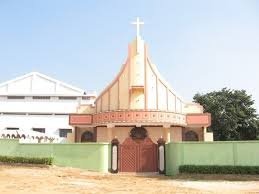
a. Christ Church, Panbazar
Built in the late 19th century, Christ Church is:
- One of the oldest churches in the Northeast
- Built in classic Anglican architectural style
- Located in the heart of the old British administrative zone
Its calm interiors, stained-glass windows, sloped roofs, and red-brick façade make it a key heritage site. The church attracts:
- Architecture students
- Photographers
- Historians
- Christian pilgrims
- Tourists exploring Guwahati’s colonial past
The churchyard and surrounding streets still retain a vintage charm that reflects the early British presence in Assam.
b. St. Joseph’s Church, Don Bosco
Another heritage Christian site, originally established by Catholic missionaries, it carries colonial-era influence in its construction and remains an important landmark for the city’s Christian community.
3. Museums in Guwahati That Preserve Assam’s Colonial and Cultural Heritage
Guwahati is home to some of the most important museums in Northeast India, visited by lakhs of people each year. These museums not only preserve objects of colonial history but also showcase the deep cultural layers of Assam and neighbouring states.
a. Assam State Museum (Museum of Assam)
This is the most visited historic museum in Assam, drawing visitors interested in:
- Colonial history
- Ancient Assamese royal artefacts
- Tribal culture
- Archaeology
- Rare manuscripts
Founded during the British era in 1940 by the Kamarupa Anusandhan Samiti, the museum building itself has colonial architectural elements.
Key attractions include:
- Ahom and Koch dynasty sculptures
- Colonial coins
- Ethnographic displays of various tribes
- Historical textiles
- Medieval weaponry
- Rare painting galleries
Visitors praise the museum for its depth and well-preserved archival materials.
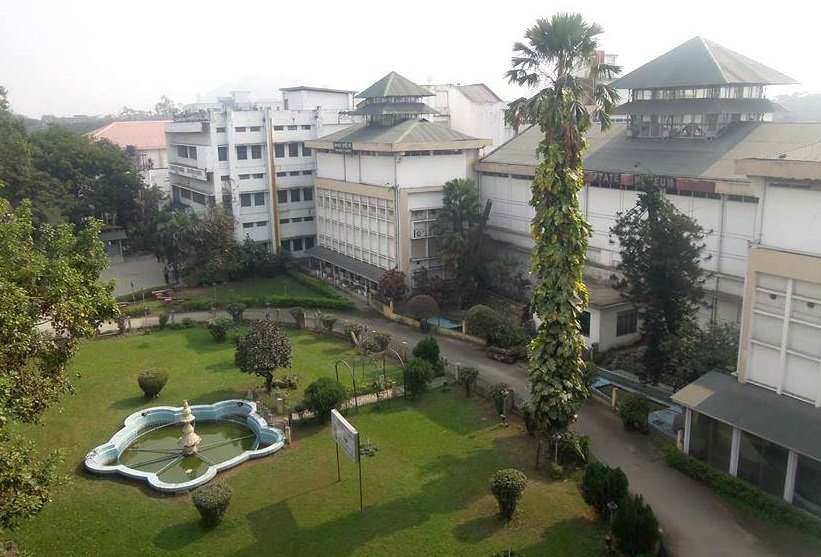
b. Srimanta Sankardev Kalakshetra
Though built after independence, its galleries hold many colonial-era artefacts, including:
- British documents
- Photographs
- Maps
- Artefacts from Assam’s freedom struggle
It is one of the most frequently visited cultural complexes in India’s northeastern region.
c. Guwahati Planetarium and Regional Science Centre
These institutions were set up on lands influenced by colonial administrative zoning and attract hundreds of thousands of students, tourists, and scholars each year.
d. Dighalipukhuri Archaeological Zone
This historical waterbody was developed during British rule into a recreational and administrative area. Surrounding zones include courts, museums, and colonial offices, attracting heritage lovers.
4. Why Guwahati Attracts the Most Visitors for Colonial Churches and Museums
a. Accessibility and Connectivity
Guwahati is the main entry point to the Northeast, with:
- Assam’s busiest airport
- Major railway junction
- National highways connecting hill states
Tourists naturally begin their journey here.
b. The Highest Number of Heritage Institutions
Compared to other cities like Tezpur or Jorhat, Guwahati has:
- More museums
- More heritage buildings
- Larger colonial zones
- Better tourist facilities
This increases its annual tourist volume dramatically.
c. Tourism Diversity
Visitors arrive for different purposes:
- Heritage walks
- Religious tourism (Kamakhya, Umananda)
- Wildlife tourism (Kaziranga, Pobitora – accessed via Guwahati)
- Academic and research tours
- River cruises on the Brahmaputra
This diversity brings additional footfall to the city’s colonial churches and museums.
d. Urban Vibrance + Historical Depth
Guwahati is modern yet deeply historic. Tourists enjoy the contrast:
- Colonial landmarks
- Assam’s ancient temples
- Modern cafés and shopping hubs
- Scenic riverfronts
- Festivals and cultural exhibitions
This creates a holistic heritage experience.
5. Comparison With Other Assam Cities
a. Tezpur
Known as the “City of Eternal Romance,” Tezpur has some colonial history but fewer visitors compared to Guwahati.
b. Jorhat
Jorhat has heritage clubs and tea estates with colonial influence, but most tourists are niche travellers.
c. Shillong (though not in Assam, often compared)
Shillong has strong British architectural influence but receives fewer heritage visitors when compared to Guwahati’s numbers.
Thus, Guwahati remains the top destination for colonial churches and museums in Assam.
Conclusion
Guwahati is the historic city in Assam that draws the highest number of visitors for its colonial churches and museums, thanks to its rich blend of British-era architecture, renowned museums, cultural institutions, and easy accessibility. The city’s colonial churches like Christ Church, its museums such as the Assam State Museum, and its preserved administrative heritage offer a unique window into Assam’s multi-layered history.
As the cultural heart and gateway to the Northeast, Guwahati continues to stand as the most visited historic city for anyone seeking to explore Assam’s colonial past and its vibrant museum heritage.