We’ll all set the alarm for 5am and huddle the family onto the couch in their pyjamas. We’ll get up even earlier to gather at early opener bars and pubs with big screens or live sites. We’ll wear garish yellow, and if we carry on with this winning Albo might even declare bosses are “bums” if they begrudge a bleary-eyed worker a day off.
We’ll gather in our millions to watch the Socceroos. Days after, we filled the MCG to watch the State of Origin because its sport, and we love it. We’ll trudge in record numbers into grounds and lock onto TV screens to scream for our teams. We will swell numbers at the Australian Open beyond bursting point.
Next month the Glasgow Commonwealth Games, brought to you by the Victorian Government, will start, and we will go mad again for Aussie gold. Because that’s what we do, it’s sport and it defines us.
But does it?
Celebrating in thousands in Fed Square, collecting in lurid gold in the stands, boasting of being the sports capital feeds a self-congratulatory misguided idea that, from cradle to grave, we are a nation of sport obsessives. And we are, up to a point. But we are not who we think we are.
We are sport watchers not doers. The fact we punch above our weight in sports on the world stage and go to sport in numbers that fill the MCG creates a self-image at odds with reality.
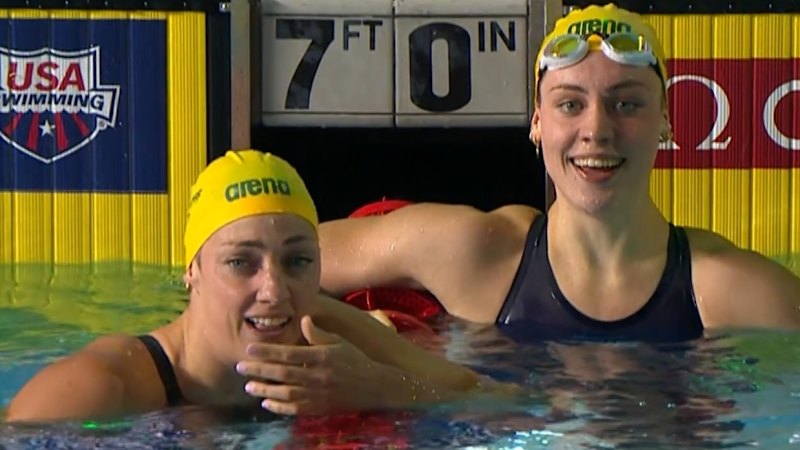
Most Australian kids now struggle with sport. We are the most decorated per-capita swimming country in the world, but a quarter of our adults can’t swim and nearly half of primary school kids cannot swim 50 metres according to Surf Life Saving Australia.
In a recent briefing, Australian Sports Commission chief executive Kieren Perkins issued warnings of a troubling undercurrent in sport that should not be distracted by the – deserved – hoopla of excitement of achieving at the top end. If the bottom end dries up, there will be no top end.
The stats are stark. Only one in four Australian children meet daily activity guidelines. A study for the Australian Society of Physical Activity found only 23 per cent of children aged 5 to 14 were physically active for 60 minutes a day.
The ASC said an alarming 50 per cent of adolescents lacked basic motor skills, such as running, jumping, throwing and catching.
Perkins cited a World Health Organisation study which found Australian teenagers were among the least active in the world, ranking 140th of 146 countries surveyed. Breaking the survey down, of 25 high-income Western countries surveyed, Australia was the worst for the number of teenagers – 90 per cent – not meeting physical activity guidelines. The screen and video gaming generations are a concern.
The fear is Australia is falling off the “participation cliff”, if we aren’t already over the precipice. The ASC’s AusPlay stats are more alarming from a longer term national health and socialising perspective than for our hopes of future gold medals .
The numbers start out OK in primary school, with two thirds (64 per cent) of 9–11-year-olds participating in organised sport. OK, that’s good. But that drops to 59 per cent for 12-14-year-olds then winnows away to 37 per cent by ages 15–17.
Encouragingly, the majority (61 per cent) of 15–17-year-olds are still doing something, but they have abandoned organised sport.
The ASC believe this is the transition period where kids do not disengage from sport, they just disengage from organised sport. The conclusion drawn is too much organised sport doesn’t speak to the needs and wants of people and is far too focused on being a production line for elite competition.
When kids become teenagers sport becomes more serious and starts the grading of talent, having kids off and churning the best performers towards elite pathways. The message to the rest is, “thanks for coming”. When separated from playing with mates, many teenagers drift from playing at all at the organised level.
“This suggests young people are not disengaging from movement or sport itself, but from traditional organised models that no longer meet their needs,” Perkins said.
“There is work underway, in conjunction with a range of major sports, that will offer new guidelines around the way sport is played and structured at a junior and adolescent level, including representative sport. It’s a response to – among other issues – concerning data that shows an alarming drop-off rates, especially for those in their teens.”
In a Good Weekend story last week only days before he came the hero of the win over Turkey at the World Cup, Nestory Irankunda spoke of the cost of getting to where he did in football and how two of his brothers had to quit that sport because their family could not afford for them all to keep playing.
Soccer, in particular, is a user-pays system – and those users really pay – nakedly structured towards churning out players at the top end with little regard for gathering and engaging with the most participants it can.
Irankunda said he could not understand why soccer was so expensive in Australia and pricing out lower-income families.
“The fees here, goddamn, it’s ridiculous,” he told Good Weekend. “They need to drop it. First of all, they don’t even like the sport that much here. They prefer AFL more than soccer. If that’s the case, just drop the fees because there’s going to be so much talent wasted.”
Recognising the change in Australia is another critical shift. The latest census said more than half of Australians were migrant or first-generation Australians, with one at least one parent born overseas. It is reflected in a shift in sporting needs.
We have benefactors happy to put their name to funding elite sport likely to associate them with gold medals, but that caters to the 0.1 per cent not the 99.9.
We have governments wanting to help build better facilities for the clubs playing the richest sports in the country, meanwhile recreational badminton and table tennis have exploded in popularity and there are too few halls for them.
The federal government, seizing the winners on the world stage zeitgeist, this week announced more than half a billion dollars in funding for elite programs on the road to the Brisbane Olympics in 2032.
And maybe that’s because they know that is who we really are – those who want to watch others play, perform and compete and bask in reflected glory.
News, results and expert analysis from the weekend of sport sent every Monday. Sign up for our Sport newsletter.
 Michael Gleeson is an award-winning senior sports writer specialising in AFL and athletics.Connect via X or email.
From our partners
About the Author