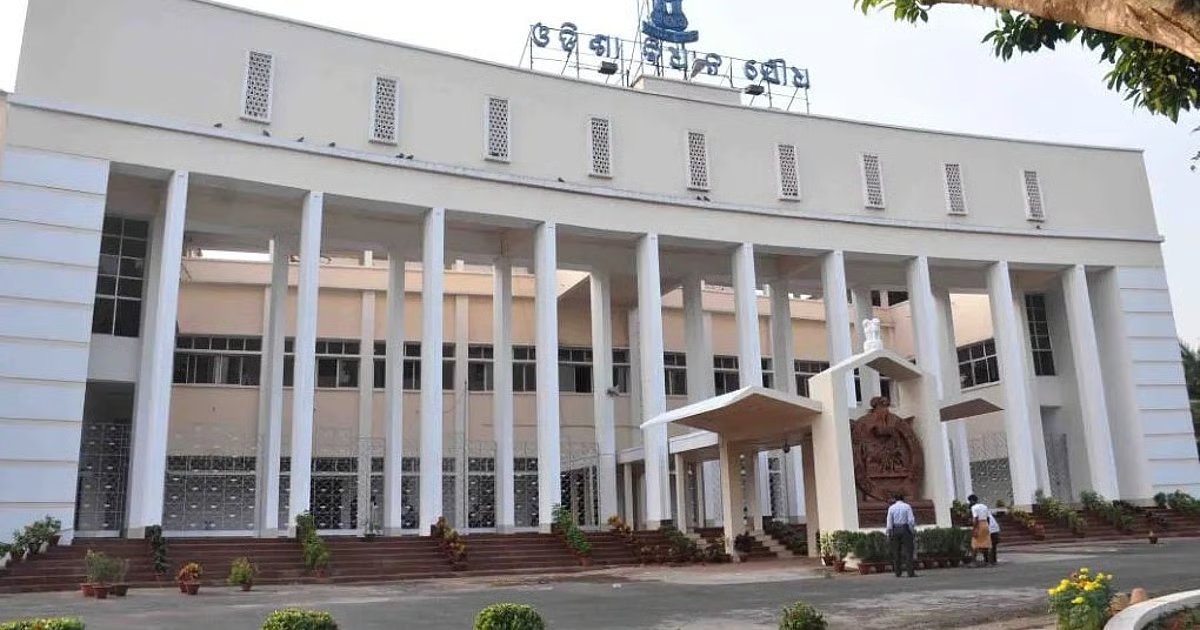
The party estimates that the amendments could cost Odisha around Rs 1 lakh crore, besides causing an annual revenue loss of nearly Rs 20,000 crore. In its memorandum, the Congress said the legislation posed a serious threat to the interests of millions of people, particularly tribal communities, and could undermine the state’s financial autonomy.
The issue has already triggered a political confrontation in Odisha. Leader of Opposition and BJD president Naveen Patnaik had earlier opposed the legislation and appealed to people to resist what he described as an attempt by the Centre to take away their rights.
The ruling BJP, however, has rejected the opposition’s claims, accusing both the Congress and BJD of spreading misinformation and misleading the public.
BJP general secretary Biranchi Narayan Tripathy defended the legislation, saying mineral-rich states such as Odisha, as well as the country as a whole, would benefit from it. He described the law as a measure aimed at ensuring the proper utilisation of mineral resources and creating greater value from the sector.
Addressing a press conference, Tripathy accused the Congress and BJD of jointly “enacting a drama” over the issue by spreading what he called false information. He said Prime Minister Narendra Modi had set an ambitious target of increasing investment in the mining sector as part of the broader vision of building a developed India by 2047.
The dispute has thus widened into a larger Centre-state debate over control of mineral resources, revenue-sharing and the financial autonomy of mineral-rich states, with the Odisha Congress now seeking a dedicated assembly debate on the contentious amendments.
With PTI inputs
About the Author


