
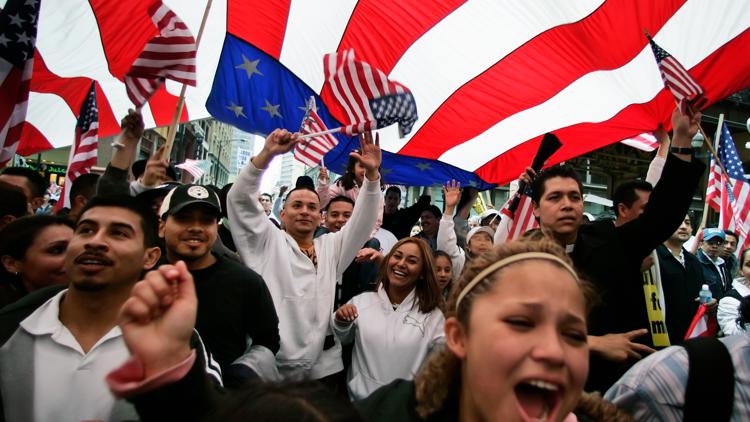
Organizers are also urging an economic boycott, citing frustration over rising costs, immigration policies and economic inequality.
WASHINGTON — Demonstrators are gathering in cities globally Friday for May Day protests. In the U.S, labor unions and activist groups are calling for higher wages, stronger worker protections and changes to federal policies they say are hurting working Americans.
Marches and rallies are organized nationwide under themes like “workers over billionaires,” with some groups also encouraging an economic boycott through “no school, no work, no shopping.” Organizers said the demonstrations reflect growing frustration over rising living costs, immigration policies and economic inequality.
The U.S. protests are part of a wider wave of May Day demonstrations happening around the world, where rising living costs, including higher energy prices tied to global conflict, have become a central issue for workers.
What is May Day?
May Day, observed on May 1, is known globally as International Workers’ Day. While it is a public holiday in many countries, it is not a federal holiday in the United States. The day is traditionally used by labor groups to organize rallies focused on wages, working conditions and broader social issues.
Despite being more widely recognized abroad, May Day has deep roots in the United States. The modern observance traces back to Chicago in 1886, when workers rallied for an eight-hour workday. A protest in Haymarket Square turned violent after a bomb exploded, leading to a deadly clash with police. The event became a defining moment in labor history and helped establish May 1 as a global day of worker solidarity.
While demonstrations in the U.S. remain smaller than in some countries where May Day is a national holiday, organizers say the annual protests continue to serve as a key platform for spotlighting worker concerns and pushing for change.
Why are U.S. protests significant this year?
This year’s demonstrations place a strong emphasis on economic pressure and policy concerns. In addition to calls for higher wages, many groups are protesting immigration enforcement policies and advocating for stronger protections for undocumented workers, reflecting the longstanding connection between labor and immigrant rights movements.
About the Author


