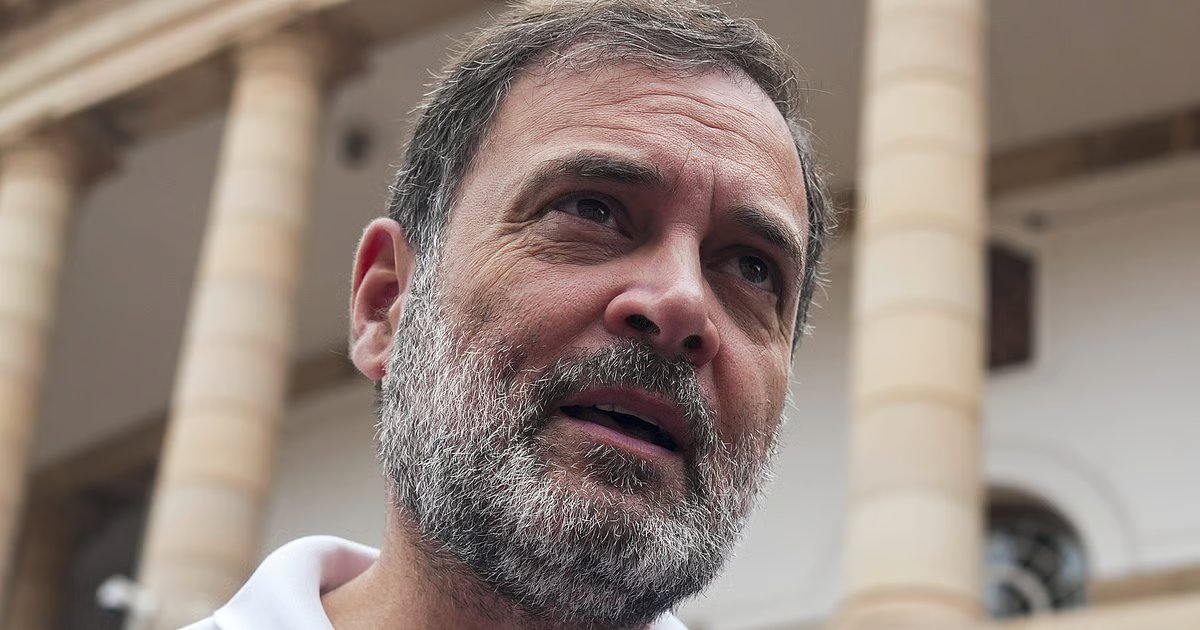
He described the anniversary as an opportunity to recall what he called a “decisive turning point” that energised the party and inspired a renewed political resolve.
Congress general secretary, organisation, K.C. Venugopal also commemorated the anniversary, saying the yatra had sparked a “revolution” by bringing people from different communities together.
“What began at the intersection of the 3 great seas culminated with the coming together of crores of Indians,” Venugopal said in a post on X.
He said the march carried a message of “hope, compassion and togetherness” and sought to counter hatred and social divisions.
Venugopal also claimed that the yatra challenged what he called the “Modi regime’s hoax and propaganda” and projected the Congress as the party committed to love, secularism, equality and constitutional values.
While calling the Bharat Jodo Yatra a pivotal moment, he said the Congress’s broader political mission remained unfinished and called for continued efforts to defend constitutional values and address social and economic challenges.
During the 145-day journey, Rahul Gandhi addressed 12 public meetings, more than 100 street-corner meetings and 13 press conferences, according to Congress figures.
He also took part in more than 275 planned walking interactions and over 100 sitting interactions with people during the course of the march.
The yatra attracted participation from people from different walks of life, including actors, filmmakers, writers, military veterans, economists and opposition politicians.
Among the prominent personalities who joined the march at different stages were actor Kamal Haasan, Pooja Bhatt, Riya Sen, Swara Bhasker, Rashami Desai, Akanksha Puri and Amol Palekar.
Former Indian Army chief general Deepak Kapoor, former Indian Navy chief Admiral L. Ramdas, former Reserve Bank of India governor Raghuram Rajan and former finance secretary Arvind Mayaram also participated.
Several opposition leaders also walked with Rahul Gandhi during different phases of the yatra.
They included National Conference leaders Farooq Abdullah and Omar Abdullah, People’s Democratic Party chief Mehbooba Mufti, Shiv Sena (UBT) leaders Aaditya Thackeray, Priyanka Chaturvedi and Sanjay Raut, and Nationalist Congress Party (SP) leader Supriya Sule.
The Congress has since sought to build on the political momentum generated by the Bharat Jodo Yatra through subsequent outreach programmes, including the Bharat Jodo Nyay Yatra.
Four years after the march began in Kanyakumari, the party continues to present the Bharat Jodo Yatra as a defining campaign in Rahul Gandhi’s political journey and as an expression of its opposition to what it describes as growing social division and institutional pressure in the country.
With PTI inputs
About the Author


